Electropolishing of pressure vessels for a pharmaceutical client
The client had been chemically and electrochemically processing fabrications, components and assemblies under the technical consultancy of Anokap Solutions Co. Ltd.
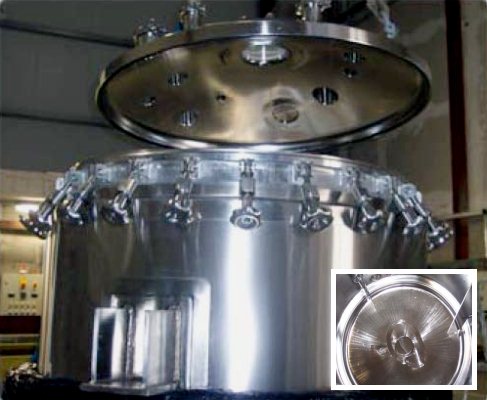
Early internal electropolishing work was on relatively small pressure vessels of 50–500 litres, then on to vessels of about 1,000 litres. Procedures covered pre-cleaning and post-passivation. The client’s pharmaceutical background made the written procedural documentation expected in that industry much easier to hold.
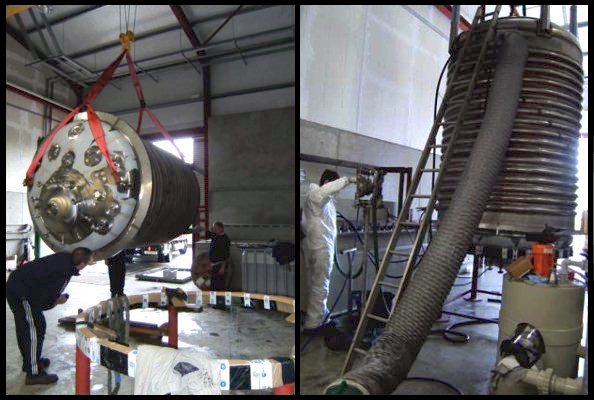
After more than 25 units, the client took on two already-assembled vessels of 5,000 and 6,000 litres. They arrived Friday evening and were required back by Monday lunchtime, with only a week’s notice.
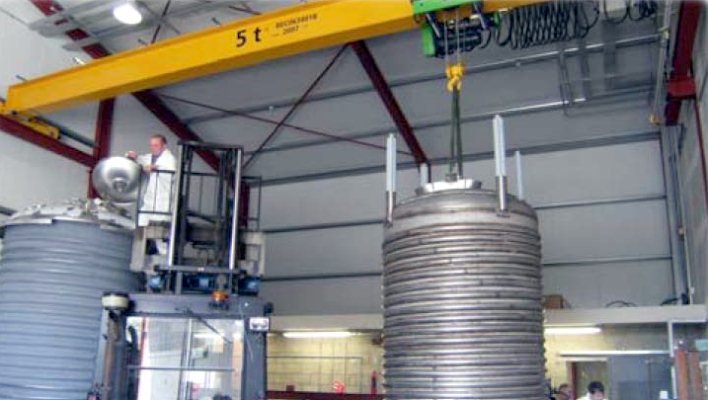
Fixture engineering was designed and manufactured in four days. A method statement and process procedure were drafted, and safety equipment was on site before delivery. Chemistry, applicators, cables, cathode and busbar materials were already there. An adjustable-bed rotating-roller system was borrowed for the short notice. Unloading and positioning used the client’s motorised 5-tonne overhead hoist.
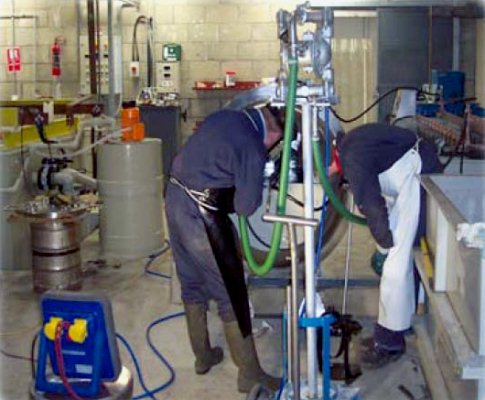
Degreasing was with Anokap Cleaner 160. Cathode assemblies were fitted at each stage of electropolishing with Anokap Electrolyte 190, taking care not to mechanically damage the vessels. Each vessel was then stood on its legs, desmutted and passivated with Anokap 170, rinsed thoroughly, and dried with clean compressed air.
The first vessel was collected Sunday afternoon and the second Monday afternoon. The customer accepted both the surface finish and the service.